Journal, 7 min read
BLIK, card or fast bank transfer: which online payment method is safest?
Paweł Mazur · · updated
For an online purchase in Poland, a card can offer an additional route to recover money through chargeback if the seller fails to deliver, while BLIK avoids entering card details and makes everyday checkout convenient. A fast bank transfer can also be used safely, but none of these methods verifies the shop or guarantees a refund.
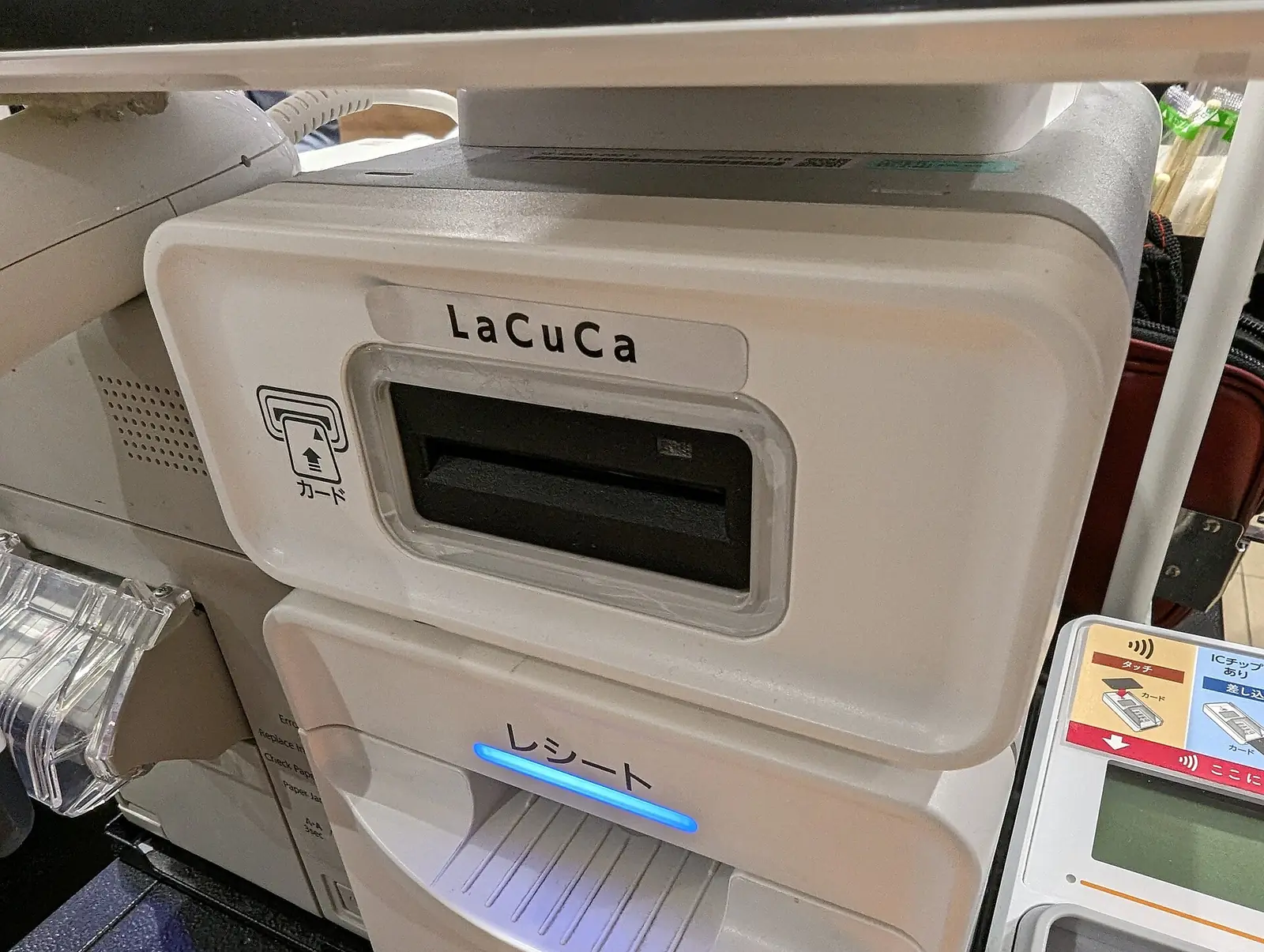
Online payment safety: what are we really comparing?
There are three questions: who receives your payment details, how you approve the transaction and what happens if the goods never arrive. A convenient checkout answers only part of that story. The right choice depends on the purchase, not on a single label saying “secure”.
It is reassuring to see a familiar bank logo, especially when buying a gift or replacing something urgently. Still, take a moment to identify the seller and the payment page. If either looks wrong, stop the purchase rather than trying to compensate by choosing a different payment button.
BLIK online: check what the code is approving
In the standard code-based flow, you generate a six-digit BLIK code in your banking app, enter it at checkout and approve the transaction in the app. The code is valid for two minutes, as BLIK's own introduction explains. You do not enter your card number or log in to online banking on the merchant's page.
That short validity period is not a reason to rush. If the code expires while you check the amount and recipient, generate another. A request to send a code in a private message is different from entering it in the checkout you opened yourself. If a friend asks for urgent help, call them through a number you already know.
BLIK payments at an online shop and BLIK transfers to a phone number are different transaction types. A seller asking you to move from checkout to a phone-number transfer deserves extra scrutiny. For a complaint, BLIK directs users to their bank, which holds the transaction details.
Payment card: more details, but strong protection after purchase
A card checkout may ask for the number, expiry date and security code; a supported digital wallet may use a different flow. Treat those details as sensitive and verify the page before entering them. Do not assume every checkout keeps the merchant away from card data merely because it displays a payment-provider logo.
Extra authentication is commonly associated with 3-D Secure. EMVCo explains that some transactions proceed without an additional challenge, while others require a code, biometrics or another check. A payment succeeding without an app prompt does not by itself prove a fault. Equally, a successful prompt does not establish that the seller is trustworthy.
For an eligible dispute, chargeback lets the card issuer challenge a transaction through the card network. Missing goods, an unprovided service or certain billing problems may qualify, subject to evidence and deadlines. Read “Chargeback in practice: when you can get your money back after paying by card online”. This is an additional route, not a promise that every claim succeeds.
It is worth considering a separate card for online shopping, transaction limits and temporarily blocking online payments if your bank offers that option. It is basic financial hygiene: a card with a sensible limit reduces the possible damage. I describe the details in the article “How to protect your card details and bank account when shopping in Polish online stores”.
Fast bank transfer: safe on the right channel, risky on a fake site
With a pay-by-link transfer, you commonly choose your bank and approve a pre-filled payment through its banking service. You avoid entering card details, but the destination of the redirect matters. Check the complete bank address and the payment information, including any intermediary shown as recipient.
A fake login page may copy the bank's colours and layout. If the address or request is unfamiliar, close it and contact the bank through its app or a known number. Do not approve a prompt you cannot explain merely because the shop says it is needed to release the order.
A completed transfer does not have the same card-network chargeback route. The Polish regulator's explanation of payment disputes distinguishes chargeback from simply cancelling or reversing an authorised payment. If fraud is suspected, contact the bank quickly and ask what recovery steps remain possible.
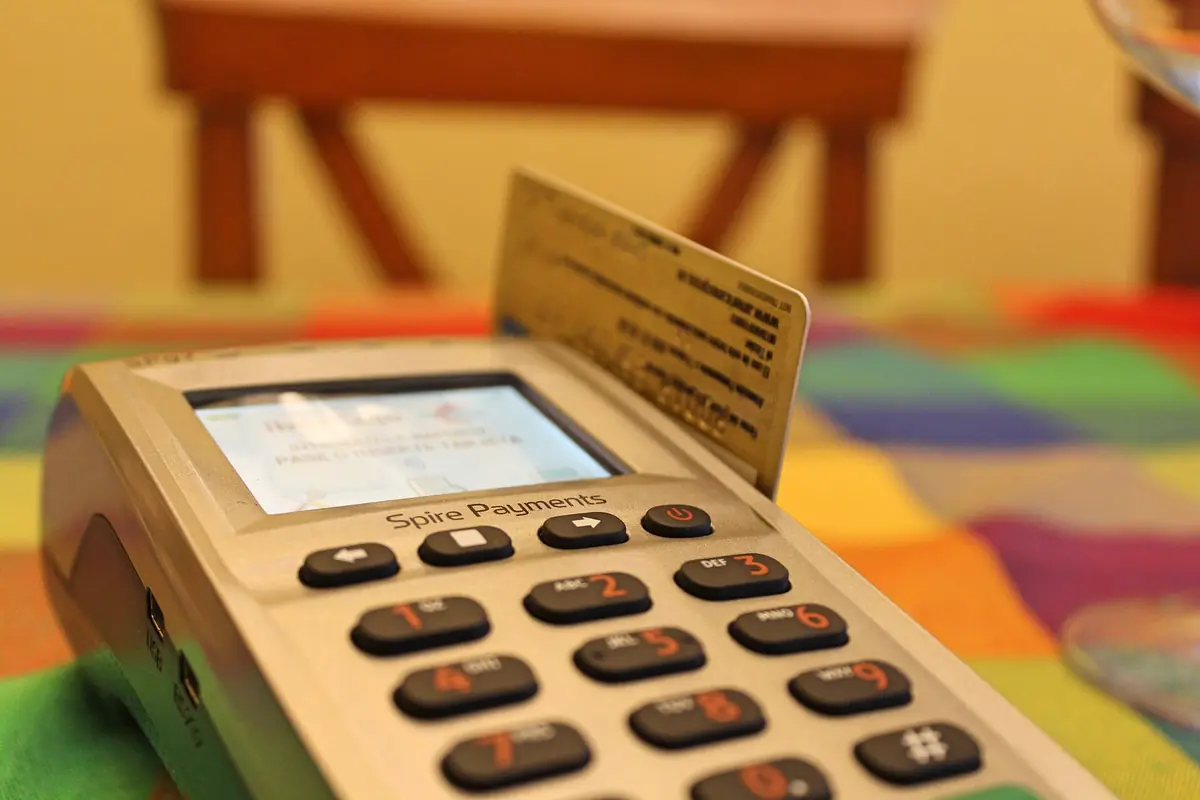
Which method wins in practice?
| Method | Practical advantage | Point to check |
|---|---|---|
| BLIK code payment | No card number entered; approval in the banking app. | Amount, recipient and whether the request is a shop payment, transfer or withdrawal. |
| Card | Potential chargeback route for eligible purchase disputes. | Genuine checkout, authentication details and the issuer's dispute deadline. |
| Fast bank transfer | Prepared payment through your banking service. | Real bank address and correct payment details before approval. |
For an ordinary purchase from a verified shop, choose the method you can use carefully. For a costly order or a booking far in advance, consider the additional card-dispute route and keep the delivery or service date. Overseas gifts need the same care; see “How to send a gift to someone abroad and pay for it safely online”.
How can you pay more safely, whatever the method?
A few repeatable checks are more useful than trying to memorise every scam. Make them part of the payment itself:
- Check the shop and bank address, especially for typos, unusual domains and the lack of an encrypted connection.
- Read the authorisation message in your banking app: the amount, the recipient and the type of transaction.
- Never give a BLIK code to someone asking for it over a messenger app, even if they look like someone you know.
- Set limits for your card, BLIK and online transfers, and only increase them temporarily when making a purchase.
- Keep the order confirmation and delivery promise, particularly for an expensive purchase.
- Do not log in to your bank via links in text messages, emails or adverts; type the address yourself or use the app.
- Keep your phone, browser and banking app updated, because payment security starts with the device.
My practical tip: pause at the approval screen and read three things aloud or to yourself: amount, recipient, transaction type. If you expected a 79 zł shop payment and see a 790 zł withdrawal, decline it and contact the bank. The numbers are illustrative; the habit is useful for every amount.
If you did not authorise the payment
Tell the bank explicitly if you did not consent to a transaction, and explain exactly what you entered or approved. Statutory protection for unauthorised payments is separate from chargeback. The Financial Ombudsman's guidance also distinguishes authentication from consent. Do not assume that using an app or code automatically settles the legal question.
Contact the bank through a trusted channel, secure any compromised card or account and preserve messages. A convincing scam can catch careful people too; prompt reporting is the useful next step. Alerts are published by CERT Polska, with further financial information from the Polish Financial Supervision Authority.
It is not just the method: the shop matters just as much
Verify the trader's name, address and contact details, compare independent accounts of actual deliveries and check whether the price is plausible. Our guide to fake shops and social-media promotions walks through those checks. A payment method is one part of a good purchasing decision; the seller still needs to earn your trust.
Frequently asked questions
Is BLIK safer than a card?
For many everyday purchases, BLIK is very safe because you do not share your card details with the shop. But for more expensive purchases, a card can give better protection after the sale thanks to complaints procedures, including chargeback. The best choice depends on the situation.
Is it risky to enter your card number online?
It needs care, but it does not have to be dangerous. Use reputable shops and payment providers, check the website address, turn on bank alerts and set limits. Extra authentication greatly reduces the risk of card details being misused on their own.
Can a fast bank transfer be reversed?
Once a transfer has been authorised, getting the money back is harder than disputing a card payment. If you suspect fraud, contact your bank straight away. Speed matters, but there is no guarantee the money will be recovered.
When is it best to pay by card?
A card is especially sensible for more expensive purchases, bookings, overseas shopping and transactions in a shop you do not know yet. Beyond bank authorisation, it gives you an extra route to dispute the payment if the seller does not meet the contract.
Which method is best for someone who wants maximum simplicity?
BLIK is often the simplest, as long as the user always reads the details of the payment being confirmed. If you want simplicity together with protection for larger amounts, a good option is a card with a low online limit and alerts for every transaction.
About the author
Paweł Mazur writes about online payments: BLIK, cards, transfers and chargebacks. He follows bank and UOKiK announcements and explains them without the jargon.
See also
Journal, 5 min read
Chargeback in practice: when you can get your money back after paying by card online
Most people only hear about chargeback when a shop has not sent the parcel or has disappeared. When can you use it, how do you file…
Explained, 5 min read
What to do if you pay for an online order and the parcel does not arrive
You paid, but the parcel is nowhere to be seen. First work out who is responsible for the delivery, then gather proof and make a complaint. Your bank or the consumer ombudsman is…